Families hardly ever prepare for senior treatment on a neat timeline. A parent takes care of well until an autumn, or memory slides that seemed wacky instantly threaten security. Care needs arrive in waves and commonly shift without warning. Good assisted living prepares for those adjustments and builds a framework that flexes with them. Future-proof senior care is less regarding forecasting every scenario and more regarding layering adaptable assistances, so a local can live well today and still have options tomorrow.
The core guarantee: freedom with a safety and security net
At its best, Assisted Living is made to maintain autonomy undamaged while taking care of the rubbing points that weaken day-to-day live. That balance is vibrant. One local could get here requiring only dish support and drug tips. One more shows up with flexibility concerns and diabetics issues administration. Within months, the very first local might need aid with showering and fall avoidance. The secondly might support and take part a lot more in neighborhood life than anybody expected.
A future-proof area deals with the care plan like a living file, not a contract signed on move-in day. The staff reassesses requires routinely, families stay in the loophole, and the building itself allows services to scale up or down without uprooting the homeowner. Think flexible treatment instead of fixed tiers.
Move-in is a procedure, not a date on the calendar
A thoughtful shift can protect against dilemmas that require a lot more significant adjustments later. I've seen households hurry a move after a healthcare facility discharge, then spend the next three months downfall the stress and anxiety. The much better technique beginnings previously, preferably when an elderly very first discusses having problem with family jobs or transportation.
During pre-admission assessments, strong neighborhoods entail nursing, wellness, dining, and tasks personnel to recognize the whole person. The question is not only what tasks call for help, yet just how a resident prefers to live. Does breakfast at 10 a.m. fit their rhythm? Are they social before lunch but need quiet afternoons? That deeper understanding guides subtle supports, such as a conventional morning meal supplied at 9:45 so medicines can be taken on timetable, or organizing home cleaning during a resident's everyday walk.
The move-in home window matters too. A couple of check outs for meals and an activity can blunt culture shock. A gradual intro to the care team develops trust. When standard information is accumulated early - weight, movement, cognitive screening, sleep patterns - staff can find inconsistencies later and intervene prior to troubles escalate.
Predictable unpredictability: what tends to alter first
The most common shifts after move-in comply with a pattern. Cravings and hydration change promptly in new settings, sometimes boosting with better dishes and hydration terminals, other times dipping if stress and anxiety is high. Medicine efficiency also reveals itself under guidance. The pill box that was supposed to extend 28 days might hold three different prescribers' directions. In the very first weeks, nursing frequently makes clear dosing, streamlines timetables, and removes redundancies. Within 30 to 60 days, that alone can enhance power, state of mind, and balance.
After the first adjustment, movement normally informs the next phase. If a resident starts to stay clear of tasks, the wrongdoer may be discomfort, footwear, or worry of dropping. A wise neighborhood reacts with targeted physical therapy, simple ecological tweaks like contrasting tape on step edges, and staff training on transfers. If those steps occur early, locals keep independence longer.
Cognition shifts a lot more discreetly. Early signs are missed occasions, complication with new routines, or recurring concerns concerning "where I put my handbag." When personnel understand baseline behavior, these signs surface rapidly. Memory Treatment might not be needed promptly, but targeted supports - cueing, streamlined signs, consistent personnel - can connect the gap.
Design attributes that make care scalable
Brick and mortar impact what is possible. A structure can either sustain aging in place or pressure preventable moves. Families occasionally neglect the physical plant since the entrance hall looks rather. Look much deeper. Ask if apartment or condos can suit grab bars without significant construction. Check whether lifts are sized for stretchers. Observe the lighting at dusk when glare and darkness can journey someone with low vision.
Private washrooms decrease infections and keep privacy even as treatment demands expand. Showers with bench seats and hand-held sticks make it easier to shift from minimal help to full support if required. Hallways that really feel human-scaled, with visual cues and remainder places every 30 or 40 feet, maintain flexibility up. A neighborhood yard with increased beds might seem like a perk, yet it functions as mild workout and a simple social icebreaker that personnel can make use of to engage a person who stands up to group activities.
Crucially, search for secured however non-institutional Memory Treatment on the same school. When cognitive modifications arise, a transfer across community roots out regimens and relationships. A smooth internal transition - in some cases called a bridge program - allows acquainted personnel to proceed dealing with the resident while brand-new assistances come online.
The silent work of good assessment
Care planning is occasionally dealt with like documents. In effective Assisted Living, it is a craft. The nurse who notices a local's footwear have become as well tight, the eating supervisor that swaps a crunchy meal for a softer choice, the tasks supervisor who rests with a hesitant newbie at lunch to relieve the first-week blues - these information make the treatment strategy real.
Reassessments must take place formally at least every 6 months, and informally at all times. After a fall, after an ER browse through, after a medication change, the strategy requires review. One community I worked with used a basic guideline: any type of adjustment in condition activated a 72-hour monitoring period. Personnel collected tiny data points - overnight restroom trips, hunger, steps taken, state of mind notes - after that fulfilled rapidly to determine if supports needed to be changed. The process took a couple of mins per change and saved countless headaches.
Memory Care as a continuum, not a final stop
Families often ask if they need to move a parent straight to Memory Care. Often yes, when wandering threat is high, judgment is jeopardized, or habits threaten safety and security. More frequently, the better course is to begin in Assisted Living with memory assistance layered in. That may indicate a care companion knocks at the door to cue dishes and medications, or companions a resident to a favorite program. It can include wearable innovation that signals personnel if somebody exits a risk-free location, without boxing a local into a stiff schedule.
If and when a dedicated Memory Care setting comes to be required, continuity issues more than the tag on the door. Do acquainted caretakers adhere to the homeowner to the new unit? Are daily routines preserved, such as morning songs or an afternoon phone call with a grandchild? Is the program structured yet versatile sufficient to enable personal choice? The most effective Memory Look after parents seems like a tighter weave of the same textile, not a rough replacement.
Staffing that flexes without breaking
Future-proof senior care depends on cross-trained groups. When assistants can aid with fundamental therapy exercises, and tasks staff recognize very early signs of delirium, homeowners benefit. Stiff silos create hold-ups. Throughout respiratory season, a med tech that can swiftly examine oxygen saturation and rise to nursing prevents tiny concerns from becoming hospital stays. In communities where turn over is reduced, personnel understand personal background all right to observe changes that a brand-new hire may miss out on. That institutional memory is typically what maintains a person stable.
Ratios issue, yet they are not the entire story. A neighborhood can publish an outstanding number of caretakers per local and still really feel understaffed if schedules collection at the incorrect times. Practical coverage comes to a head in the early morning when bathing and clothing take place, and again in the evening. Ask to see staffing patterns, not just totals.
Nutrition, hydration, and the art of the dining room
More hospitalizations are stopped at the dining table than in the registered nurse's office. A homeowner that consumes alcohol 2 additional glasses of water daily stands a better opportunity of staying clear of urinary system infections and wooziness. That sounds fundamental due to the fact that it is. Neighborhoods that construct hydration into daily life - flavorful water terminals, natural tea carts, soups at lunch and supper - keep citizens out of trouble.
Menus needs to be extra adaptable than fancy. A soft diet plan does not require to be bland. Preference modifications with age and with medications. Slightly more powerful spices can bring back cravings. The kitchen should have a plan for common conditions: heart-healthy alternatives, carb-controlled plates for diabetic issues, lactose-free substitutions. The dining room design matters too. A peaceful corner can make all the difference for somebody with early dementia that becomes overwhelmed by sound. Personnel that understand homeowners by name, and that guide them carefully to their typical tablemates, create a sense of home that supports everything else.
Technology, when it serves people
The right devices expand personnel reach. The wrong ones produce alerts that every person learns to overlook. I favor simple, purpose-built innovation: very discreet motion sensing units for nighttime washroom journeys, bed leave alarms for high fall threat, wearable necklaces that actually fit easily. Electronic care platforms assist when they reduce charting time and surface patterns, not when they add checkboxes that no person reads.
Video calls now work as component of the care plan. A scheduled regular chat with family can decrease anxiousness, which in turn improves sleep and hunger. Remote tracking of vitals can be beneficial for homeowners with cardiac arrest or COPD, yet just if somebody evaluates the information daily and the resident understands the routine. Future-proofing indicates selecting systems that can be scaled or exchanged without wrecking the layout or the daily rhythm.
When the goal is not heal yet stability
Many citizens deal with several chronic problems. Future-proof treatment focuses on stability and comfort, not consistent escalation. That point of view forms options. Physical treatment may aim to maintain safe transfers rather than chase after a go back to unassisted ambulation. Discomfort monitoring may move from relying on innovation medicine to a steadier baseline routine plus warm packs prior to task. Rest health can matter as high as adding a new drug.
The mark of a fully grown community is the capacity to say no to unneeded treatments and yes to timely ones. I think of a local with innovative joint inflammation that feared showering days. Team restructured the schedule to bathe at a time when her pain medication came to a head and installed a second grab bar that fit her recommended hand. That tiny change transformed a regular challenge into a tolerable regimen, and her involvement in activities improved.
The family members's function, reimagined
Families usually really feel regret when they consider assisted living for a parent. The concept of "putting mommy somewhere" brings a sting. Yet the objective is not abdication however collaboration. The best end results happen when households share specifics as opposed to abstract principles. "Papa is a morning person" aids, though "He reviews the sporting activities section before morning meal and favors oat meal with honey" helps a lot more. Those information allow personnel connect promptly and authentically.
Visits matter, but so does tempo. A lot of adjustments at the same time can unsettle a person with amnesia. A steady rhythm of call is usually far better than lengthy spaces interrupted by extreme gos to. If brother or sisters live away, a rotating timetable of brief video clip calls can preserve link and watch for subtle changes. Households must be invited to care meetings, and communities must be transparent regarding prices and what https://postheaven.net/ravetttfyt/memory-care-at-assisted-living-communities-vs-in-home-support-key-differences triggers adjustments in costs. Shocks erode trust.
Planning for money and value
When requires increase, prices typically follow. Future-proofing consists of recognizing exactly how rates models function. Some communities rate by degree of care, others use points for specific jobs, and some wrap many supports right into a flat fee with attachments for complicated services. None is universally better, however quality issues. Ask for a hypothetical: what would monthly sets you back look like if mom required help with both showering and clothing, plus hints at each dish? Good teams will certainly answer directly and demonstrate how they try to maintain locals in the least-intensive, risk-free configuration.
Long-term treatment insurance coverage, professionals advantages, and state programs can decrease out-of-pocket prices. Qualification demands vary by state and modification in time. A reputable area should supply to assist households towards vetted resources or elder regulation attorneys, not push them into a certain financial product.

Alzheimer's and associated mental deteriorations: evolving needs, humane responses
Memory changes rarely follow a straight line. For parents coping with Alzheimer's or Lewy body disease, an excellent day can be adhered to by an overwelming one. Staff trained in dementia care reviewed actions as interaction. Resistance to bathing could signal cold, discreetness, or discomfort. Sundowning may ease with brighter mid-day lights and a light, early supper. Social interaction that made use of to assist can often bewilder. The art hinges on adjusting the environment prior to assuming a new medication is needed.
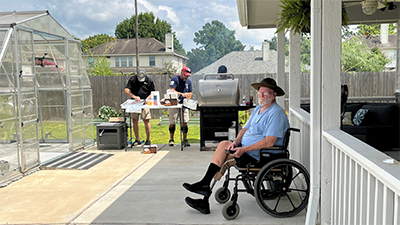
When memory look after parents becomes the best setting, style that values dignity makes all the distinction. Open kitchens where residents scent coffee and listen to the clink of plates sign nourishment naturally. Darkness boxes with personal pictures at each door help with wayfinding. Outside courtyards that are secure to wander deal alleviation to agitated walkers, decreasing anxiety and the requirement for sedatives. Family members who stay engaged as partners, joining for favorite activities or assisting develop a life story binder, extend the resident's identity beyond the diagnosis.
Signs it's time to rectify care
You do not need to guess whether care needs to be boosted. Particular signals usually show up initially in daily regimens, not huge crises.
- Repeated missed out on medications, new complication around familiar tasks, or raised roaming attempts. Noticeable weight-loss, dehydration signs like darker pee, or a pattern of urinary system infections. Two or more falls in a month, or a new worry of standing and walking. Behavior adjustments like late-day agitation, sleep reversal, or seasonal depressive patterns. Caregiver pressure evident in personnel or family notes, suggesting current supports no more match needs.
When these indicators show up, ask for a care evaluation. Request concrete adjustments and timelines. If a neighborhood can not articulate a plan, that is details too.
Avoiding unneeded hospitalizations
Emergency rooms can set older adults back weeks. An ecstasy episode set off by a long haul under fluorescent lights may undo progress meticulously gained. Future-proof neighborhoods construct clear paths to treat even more problems in place. Relationships with mobile x-ray solutions, visiting registered nurse professionals, and on-call wound care can disperse several emergency room journeys. Development treatment preparation also matters. When preferences are recorded and recognized, the response to a situation is directed by goals, not panic.
Families can assist by guaranteeing paperwork is existing: power of attorney, healthcare proxy, and any type of POLST or DNR kinds. Maintain copies with the neighborhood and a digital variation conveniently obtainable. The uncommon times a hospital trip is inescapable, that preparation keeps choices lined up with the homeowner's values.
Helping a parent keep identity
The move to Helped Living frequently revives parts of a person that were hidden under the work of taking care of a residence alone. A teacher illuminate when asked to help with a reading group. A garden enthusiast that assumed she can no more kneel monitors seedlings from a moving feces. Identity-centered treatment is not fluff. It stabilizes state of mind, which supports sleep and cravings, which minimizes falls and confusion. The ripple effects are real.
I still think of a citizen, a previous machinist, who lost self-confidence after two drops. He ignored group activities and pulled back to his space. An upkeep supervisor invited him to assist tag and organize devices one mid-day a week. That little function brought him back right into the flow. His stride enhanced due to the fact that he relocated more. He rejoined lunch with next-door neighbors. No medicine changed. Objective did the work.
Questions families can ask on a tour
Use these triggers to determine whether a neighborhood is genuinely versatile rather than just polished.
- How do you change care strategies after a medical facility remain or an autumn, and what is the typical timeline for those changes? Can homeowners obtain boosted support in their present house, or do they have to relocate devices to include services? What is your technique to hydration and nutrition for residents who have inadequate appetite or swallowing challenges? How commonly do the exact same caregivers collaborate with the exact same citizens, and just how do you handle team continuity? If my parent creates significant memory concerns, what are the inner choices prior to a full Memory Care move?
Listen for specifics. Obscure reassurances are much less practical than concrete examples.
The long view: staying prepared for the next chapter
Future-proof senior care is not a product you acquire. It is a pose shared by the neighborhood, the resident, and the household. It indicates staying watchful, adjusting early, and honoring the person at the center of the plan. Aided Living and Memory Treatment are devices, not endpoints. When they bend with transforming needs, a parent's later years can hold comfort, security, and moments of genuine joy.
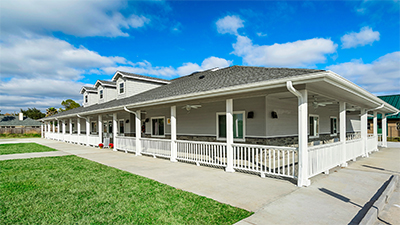
For families considering assisted living for a parent, start with the essentials, then try to find the signals of adaptability: responsive staff, versatile design, layered supports, straightforward prices, and a society that treats small adjustments as details as opposed to hassle. Demands will certainly change. Good treatment moves with them.